
Security in 2026 requires more than locked gates, cameras, and a guard at the entrance. Across businesses, residential communities, schools, churches, events, and public spaces, threats are becoming more coordinated, more unpredictable, and more connected to both physical and digital weaknesses.
For property owners, managers, executives, and homeowners, this means one thing: security can no longer be treated as an afterthought. It must be planned, reviewed, strengthened, and managed with the same seriousness as any other critical part of your operations.
At Mickwade Security, we believe effective protection starts with understanding the risks around you and putting the right systems, people, and response measures in place before an incident occurs.
Why Security Needs Are Changing in 2026
The security landscape continues to shift. Businesses are dealing with more complex access points, increased customer and staff movement, rising expectations for employee safety, and the need to protect both physical property and sensitive information.
Residential properties are also facing new concerns. Communities are looking for better visitor control, faster emergency response, stronger perimeter management, and greater visibility into what is happening around their homes.
In many cases, the issue is not that there is no security. The issue is that the security setup has not evolved with the level of risk.
A single camera, an untrained guard, or a visitor logbook may not be enough if there is no clear response plan, no proper patrol structure, no access control process, and no regular security review.
Key Security Threats To Watch in 2026
1. Poor Access Control
One of the biggest security weaknesses for businesses and residential properties is uncontrolled access. When anyone can enter a compound, office, apartment complex, event space, or restricted area without proper checks, the entire property becomes vulnerable.
This can happen through open gates, weak visitor screening, shared access cards, unmanned entry points, or staff who are not trained to challenge suspicious activity.
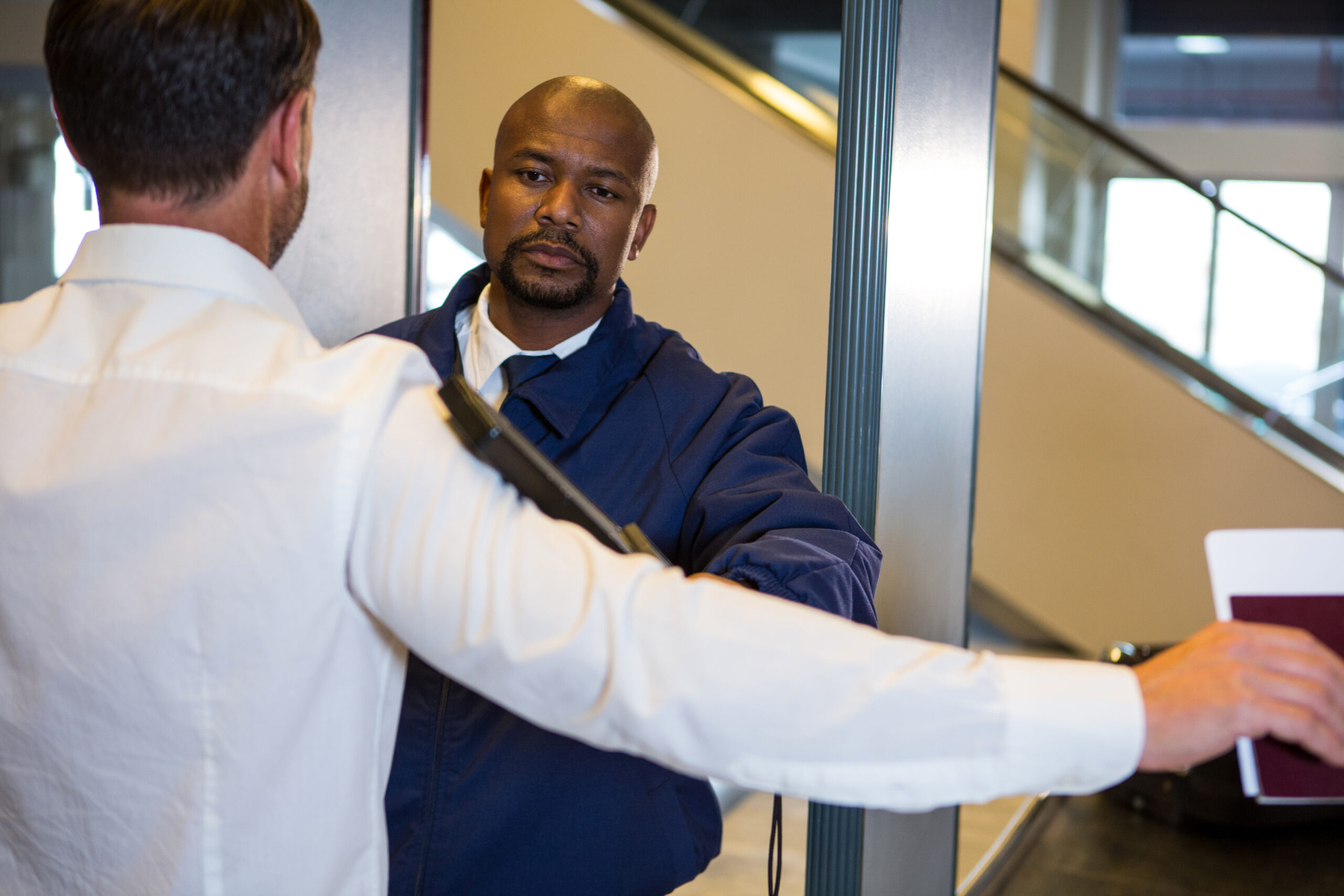
A stronger access control system should include proper visitor verification, clear entry and exit procedures, trained personnel, identification checks, and a record of who enters and leaves the property.
2. Unmonitored or Poorly Placed Cameras
CCTV is important, but cameras alone do not guarantee security. Many properties have cameras that are poorly positioned, outdated, not actively monitored, or unable to capture useful footage when it matters most.
In 2026, surveillance should be part of a wider security system. Cameras should support real-time monitoring, incident review, access control, patrol activity, and response planning.
The goal is not just to record what happened. The goal is to identify risks early and respond quickly.
3. Weak Perimeter Security
A property’s perimeter is its first line of defence. If fencing, gates, lighting, guard posts, and patrol routes are weak, threats can move closer before being noticed.
Poor lighting, overgrown areas, blind spots, broken gates, and unprotected side entrances can all create openings.
A proper security assessment should review the full perimeter and identify the areas where intruders, unauthorized visitors, or suspicious activity could go undetected.
4. Delayed Response to Incidents
A security threat becomes more serious when there is no fast and structured response. In some cases, a guard may notice an issue but have no clear escalation process. In other cases, property owners may not have a dedicated response partner to assist when something happens.
This is why quick response support is becoming more important for both businesses and residential properties.
A strong security plan should answer these questions:
- Who responds first?
- Who gets notified?
- What should the officer do?
- How quickly can backup arrive?
- What information should be recorded?
- What happens after the incident?
Without clear answers, valuable time can be lost.
5. Untrained or Unsupported Security Personnel
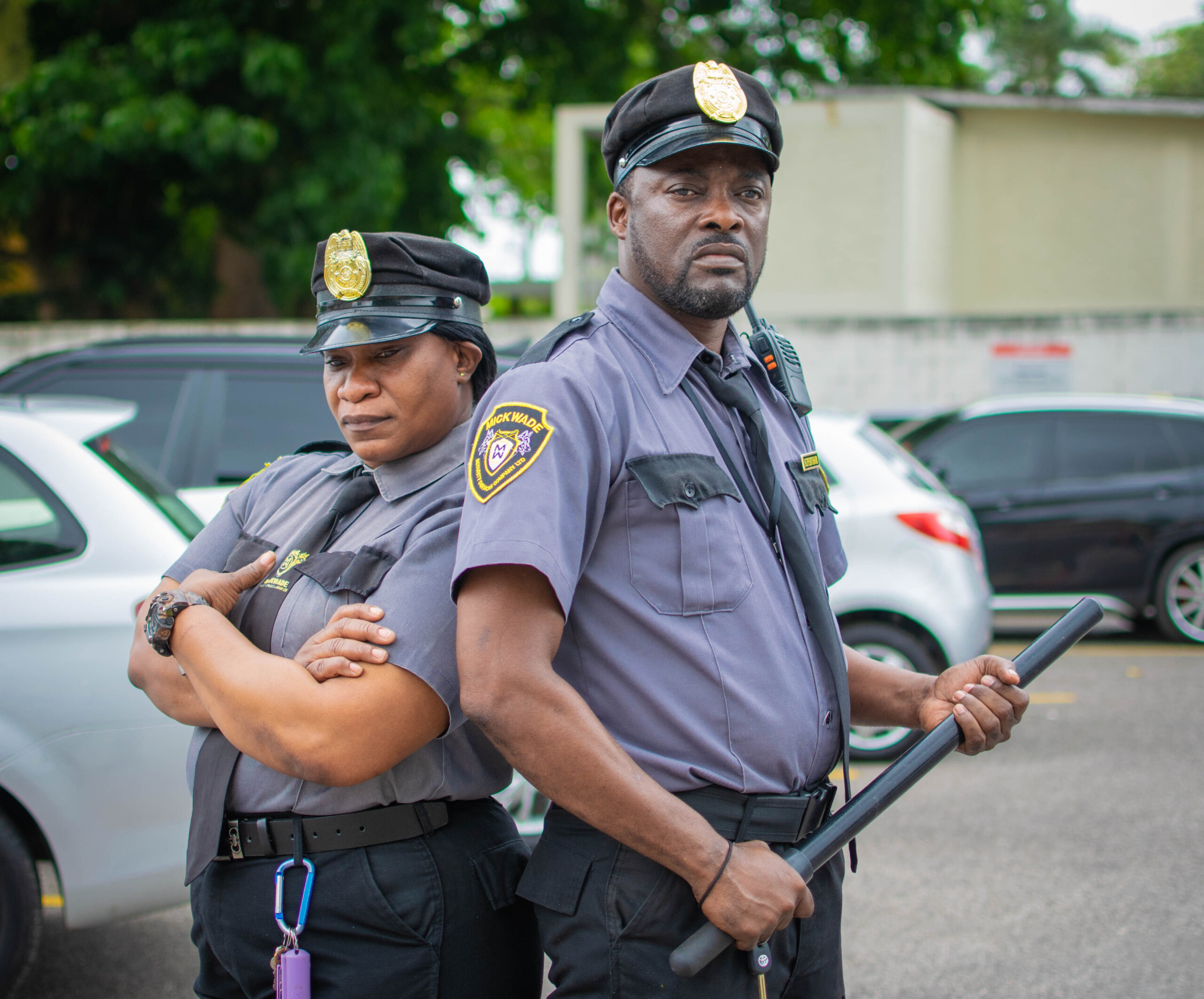
Security officers are not just placed on a property to be seen. They are expected to observe, prevent, report, guide, control access, support emergency procedures, and represent the professionalism of the organization they serve.
However, this can only happen when officers are properly trained, supervised, equipped, and supported.
The quality of your security provider matters. A professional provider should invest in officer training, appearance, reporting standards, communication, supervision, and accountability.
6. Internal Security Gaps
Not every threat comes from outside the property. Businesses must also pay attention to internal risks such as poor key control, weak staff procedures, unsecured stock areas, unauthorized after-hours access, and lack of accountability.
Residential communities may face similar issues with shared codes, unregistered visitors, delivery access, and weak communication between residents, guards, and property managers.
Strong security includes both external protection and internal discipline.
How To Strengthen Your Security in 2026
1. Start With a Security Assessment
Before adding more guards or installing more cameras, begin with a proper security assessment. This helps identify the actual risks on your property and prevents you from spending money on solutions that do not address the real problem.
A security assessment should look at:
- Entry and exit points
- Lighting and blind spots
- Visitor procedures
- CCTV coverage
- Guard post placement
- Patrol routes
- Emergency response process
- Communication systems
- Staff and resident behaviour
- Incident history
Once the risks are clear, a practical security plan can be developed.
2. Improve Access Control
Every property should know who is entering, why they are entering, where they are going, and when they leave.
For businesses, this may include front desk verification, visitor badges, staff access rules, delivery protocols, and restricted area controls.
For residential properties, this may include visitor logs, resident approval, vehicle checks, delivery control, and gate management.
Access control is one of the simplest ways to reduce risk when it is done properly.
3. Combine Technology With Human Presence
Technology is useful, but it should not replace trained security personnel. Cameras, alarms, lighting, and access systems are strongest when supported by officers who understand what to look for and how to respond.
A camera can record movement. A trained officer can assess behaviour, ask questions, control access, escalate concerns, and take immediate action based on the situation.
The best security approach combines people, process, and technology.
4. Create a Clear Response Plan
Every business, institution, event, and residential property should have a clear response plan. Security officers and key decision-makers should know what to do in different situations.
This includes:
- Suspicious activity
- Unauthorized entry
- Medical emergencies
- Fire or evacuation
- After-hours incidents
- Visitor disputes
- Theft or attempted theft
- Emergency calls
- Quick response support
A plan reduces confusion and helps everyone respond faster and more professionally.
5. Review Your Security Regularly
Security is not something you set once and forget. Your risks can change as your business grows, your property expands, your staff changes, your community develops, or your operating hours shift.
A security review should be done regularly, especially before major events, business expansions, new tenant occupancy, changes in opening hours, or after any incident.
Regular reviews help you stay ahead of problems instead of only reacting after something goes wrong.
Why Choose Mickwade Security
Mickwade Security provides professional security services designed to support businesses, residential communities, institutions, and events across Jamaica.
Our approach focuses on visible protection, trained personnel, proper supervision, and practical response support. We understand that every property is different, which is why we help clients assess their risks and put the right level of protection in place.
Whether you need static guard services, mobile patrol, residential security, event security, or quick response support, Mickwade is committed to helping you create a safer and more secure environment.
Strengthen Your Security Before There Is a Problem
The best time to improve your security is before an incident happens.
If you are unsure whether your current security setup is strong enough for 2026, now is the time to review it. A proactive approach can help protect your people, property, assets, and peace of mind.
Contact Mickwade Security today to schedule a security assessment and find out how we can help strengthen your protection.